
Before paper money became common, people used gold and silver coins for everyday purchases. These shiny assets served as the world’s primary currency for centuries. Today, they remain a powerful tool for protecting your financial future.
Welcome to this beginner-friendly guide designed to help you understand how these timeless assets can strengthen your portfolio. We’ll explore how they’ve preserved wealth for thousands of years and why they matter in today’s economy.
This comprehensive resource focuses on the most accessible options: gold, silver, platinum, and palladium. You’ll learn not just why these materials hold value, but exactly how to incorporate them into your financial strategy.
We’ll cover practical steps, different investment methods, and smart allocation strategies. Whether you’re new to financial planning or looking to diversify, this guide makes the process clear and approachable.

Key Takeaways
- Gold and silver served as primary currency long before paper money existed
- These assets offer historical protection against economic uncertainty
- Four main options are accessible for most investors: gold, silver, platinum, and palladium
- This guide covers both the theory and practical steps for getting started
- You’ll learn specific strategies for adding these assets to your portfolio
- The approach is designed to be beginner-friendly regardless of experience level
- We focus on actionable information you can use immediately
Why Invest in Precious Metals?
Throughout human history, few assets have demonstrated the enduring stability of gold and silver. These materials offer unique advantages that make them valuable additions to any portfolio.
Historical Value Preservation and Scarcity of Gold
Gold has served as a trusted store of wealth for thousands of years. Ancient civilizations recognized its lasting value, and today central banks worldwide maintain substantial reserves.
The metal’s scarcity drives its worth. Unlike paper currency that governments can print endlessly, gold supply is naturally limited. This finite nature helps maintain purchasing power over time.
Inflation-Hedging and Diversification Benefits
Silver plays a dual role as both investment metal and industrial commodity. Approximately half of demand comes from applications like solar panels and electronics.
Recent years have shown silver’s strength. In 2022, when many markets suffered losses, gold and silver held their value. This demonstrates their power as an inflation hedge.
Adding precious metals to your portfolio provides diversification. They typically move differently than stocks and bonds, helping reduce overall volatility.
This distinct asset class offers protection when paper currencies weaken. It creates a more resilient wealth preservation strategy for uncertain economic times.
Understanding Market Drivers
Behind every price movement in the metals market lies a complex web of supply and demand factors. Knowing these drivers helps you make smarter decisions about when and what to buy.
Macro Factors Impacting Gold Prices
Several key economic factors influence gold’s market value right now. Current inflation around 3.4% and Federal Reserve interest rates between 5.25-5.50% create important price pressure.
Best Precious Metals Companies of 2026
Three top picks to compare quickly—minimums, fees, eligible metals, and what each provider does best.

- Minimum$50,000
- Annual Fees$180
- MetalsGold, Silver
Best for: education-first buyers who want guided support.
Get Free Gold IRA Kit
- Minimum$10,000
- Annual Fees$180
- MetalsGold, Silver, Platinum, Palladium
Best for: clear, straightforward fee expectations.
Get Free Info Kit
- Minimum$25,000
- Annual Fees$225
- MetalsGold, Silver, Platinum, Palladium
Best for: value shoppers who want competitive pricing.
Request Free Info KitSince the 1971 Bretton Woods Agreement ended, gold has shown an inverse relationship with the U.S. dollar. When the dollar strengthens against other currencies, gold prices typically fall.
Central bank activity significantly affects the market too. Recent buying by banks worldwide supports gold demand and prices. This contrasts with the late 1990s when bank selling depressed values.
Geopolitical events also drive prices upward. International conflicts or sanctions against gold-producing nations often push investors toward this safe-haven asset.
Silver Market Supply Deficits and Industrial Demand
Silver faces unique market dynamics with persistent supply shortages. Industrial demand from solar panels, electronics, and new technologies outpaces mining production.
This creates upward pressure on the silver spot price. Unlike gold, silver responds strongly to economic growth and manufacturing activity due to its industrial uses.
Other metals like platinum show how specific factors can dramatically shift prices. Mine disruptions in South Africa or changes in automotive emissions regulations can cause major price movements.
Understanding these market drivers helps you choose metals that align with your economic outlook and timing strategy.
Exploring the Unique Roles of Gold and Silver
Gold and silver may appear similar at first glance, but their investment characteristics couldn’t be more distinct. Understanding these differences helps you build a smarter portfolio strategy.
Each metal responds to different economic forces. This knowledge lets you choose assets that match your specific financial goals.
Gold as a Timeless Store of Value
Gold has served as a reliable store of value for thousands of years. Its primary role remains wealth preservation rather than industrial use.
Central banks worldwide maintain substantial gold reserves. This reinforces its status as the ultimate safe-haven asset during economic uncertainty.
The yellow metal moves differently than paper currency. It typically holds its worth when other assets struggle.
Silver’s Dual Role in Industry and Investment
Silver plays a unique dual role in markets. Approximately half of its demand comes from industrial applications.
The white metal is essential for solar panels, electronics, and medical devices. This creates steady demand beyond investment purposes.
Silver prices respond to both economic growth and safe-haven buying. This dual nature creates different price patterns than gold.
Other options like platinum and palladium offer additional diversification. Platinum serves critical functions in automotive technology and hydrogen fuel cells.
Understanding these distinct roles helps you choose the right metal combination. Balance stability with growth potential based on your goals.
precious metals investing 101: A Gateway to Wealth Preservation
Gold’s remarkable consistency in maintaining purchasing power across generations reveals its true value. This approach to building financial security focuses on protecting what you’ve earned rather than chasing quick profits.

Securing Your Portfolio Against Inflation
Even moderate inflation of 3-4% annually can quietly diminish your savings over time. Paper currency loses value when governments print more, but physical assets maintain their worth through natural scarcity.
The fundamental difference lies in supply constraints. While central banks can create unlimited dollars, new gold supply depends on difficult mining operations. This scarcity protects your purchasing power.
It takes about the same amount of gold to buy a house today as it did in the 1930s.
This historical perspective demonstrates incredible stability. Despite nearly a century of economic changes, gold’s fundamental value remains consistent.
Adding these assets to your mix creates a distinct class that behaves differently from stocks and bonds. They provide a buffer during inflationary periods while reducing overall portfolio volatility.
In today’s environment of persistent inflation and monetary uncertainty, this strategy offers practical protection for your long-term financial health.
Ways to Invest: Physical Bullion vs. Paper Instruments
When building your portfolio with tangible assets, you face a fundamental choice between direct ownership and financial instruments. Each approach offers distinct advantages that suit different investor preferences and goals.
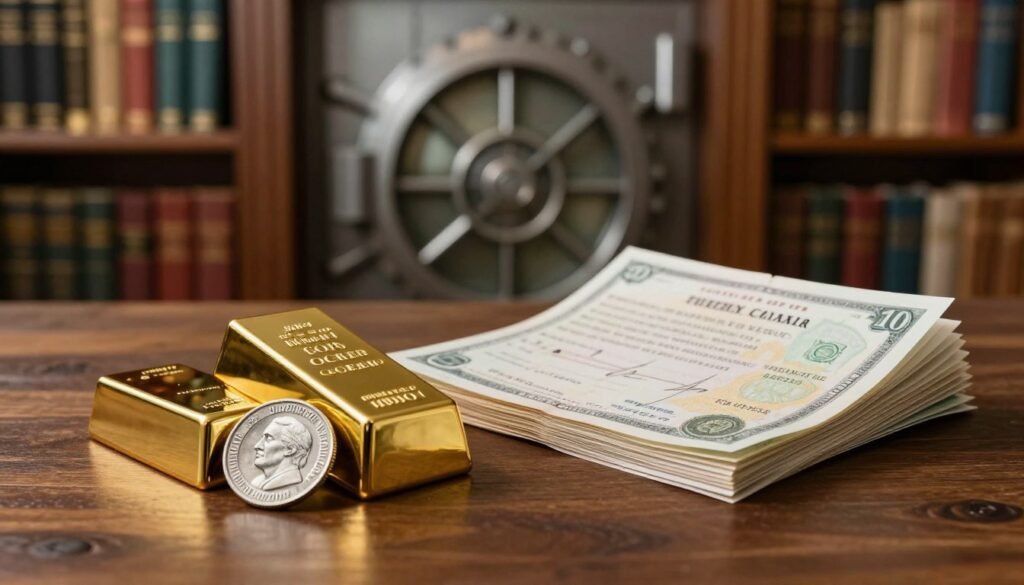
Comparing Gold Coins, Bars, and ETFs
Physical bullion provides the psychological comfort of holding tangible assets. Government-minted coins like American Eagles offer easy divisibility and recognition, while larger bars typically carry lower premiums above the spot price.
Exchange-traded funds (ETFs) represent the most convenient paper alternative. They track metal prices without storage concerns but lack direct ownership. For example, buying a gold coin means you hold the actual metal, while ETF shares represent vault-stored assets.
IRA-Approved Metals and Purity Rules
Retirement accounts have specific purity requirements for approved assets. Gold must be 99.5% pure, while silver needs 99.9% purity. Platinum and palladium require 99.95% purity levels.
Only specific government-minted coins and recognized refiner bars qualify for tax-advantaged accounts. This ensures the quality and authenticity of assets held in retirement portfolios.
Portfolio Strategies for Diversification and Stability
Diversification strategies that include non-correlated assets can significantly reduce overall portfolio risk. These defensive positions act as financial insurance during turbulent periods.
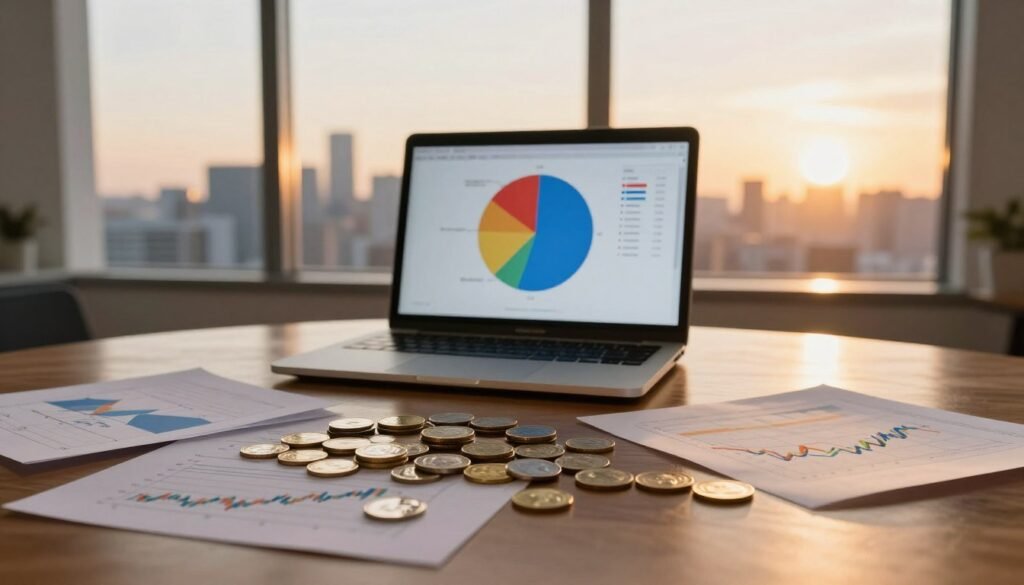
Financial advisors typically recommend allocating 5-15% of your total holdings to defensive assets. This range balances protection with growth potential.
Optimal Allocation of Defensive Assets in Your Portfolio
A 5-10% allocation provides meaningful diversification without overconcentration. This approach works well for long-term investors seeking balanced growth.
During heightened economic uncertainty, a 10-15% allocation offers stronger protection. This defensive posture suits investors with shorter time horizons.
Gold vs. Stock Volatility During Economic Crises
Defensive assets typically demonstrate lower volatility than stocks during market downturns. Their inverse relationship with traditional investments creates natural balance.
| Crisis Period | S&P 500 Performance | Gold Performance | Volatility Difference |
|---|---|---|---|
| 2008 Financial Crisis | -38.5% | +5.5% | 44% less volatile |
| 2022 Market Downturn | -19.4% | -0.3% | 19% less volatile |
| COVID-19 Crash (2020) | -34% | +24% | 58% less volatile |
Annual rebalancing helps maintain your target allocation. ETFs provide an efficient way to adjust positions as market conditions change.
Within your defensive allocation, consider weighting gold heavily for stability. Smaller positions in other options can capture growth from industrial demand.
Getting Started with Precious Metals Investing
Taking your first steps into this asset class requires understanding your available pathways. You have several practical options to begin building your position.

The fundamental choice involves account type. Regular brokerage accounts offer simplicity, while specialized retirement accounts provide tax advantages. Each approach serves different investor needs.
Setting Up Gold and Silver IRAs
A self-directed IRA allows you to hold physical assets within your retirement savings. This account type offers the same tax benefits as traditional IRAs while including tangible holdings.
The setup process involves choosing a specialized custodian, completing paperwork, and funding your account. You then select approved products that meet purity standards for secure depository storage.
For investors seeking simpler access, standard brokerage accounts work well. You can quickly purchase ETFs that track metal prices without specialized account requirements.
| Investment Method | Best For | Setup Time | Key Consideration |
|---|---|---|---|
| Gold/Silver IRA | Long-term retirement savings | 1-2 weeks | Tax advantages, physical ownership |
| Brokerage Account + ETFs | Quick start, liquidity | Minutes | Simplicity, no storage concerns |
| Direct Coin Purchase | Tangible asset preference | 1-3 days | Physical possession, dealer selection |
Begin with a modest allocation around 5% of your portfolio. Choose liquid options like popular ETFs or recognized coins from reputable dealers.
The best time to start is when you’re ready. Market fluctuations matter less than long-term participation in this important asset class. Research custodians or open a brokerage account today to begin your journey.
Additional Considerations and Safety Measures
Protecting your tangible assets requires careful consideration of security and risk factors. These practical aspects ensure your holdings remain safe while aligning with your financial goals.
Your choice of storage depends on the amount you own and your personal preferences. Home safes offer convenience but need proper insurance. Bank safety deposit boxes provide security with limited access.
Secure Storage Options and Risk Management
Professional vault storage serves as the preferred solution for larger holdings. Specialized companies provide fully insured, allocated space in high-security facilities. This eliminates personal risk while maintaining ownership.
These assets produce no income like dividends or interest. All returns come from price changes, which can show significant volatility. The spot price might swing 5-10% within weeks based on market conditions.
For example, gold’s spot value could trade between $1,800 and $2,100 over several months. This creates both opportunity and risk for sellers needing specific timing.
Manage these fluctuations through proper position sizing based on your risk tolerance. Keep allocations within the 5-15% guideline discussed in our guide on how to invest in precious metals.
Homeowner’s insurance typically offers limited coverage for these assets. Professional storage includes full protection, making it safer for significant holdings of any metal.
Conclusion
The journey toward portfolio stability doesn’t require complex strategies, but rather incorporating assets that have consistently demonstrated their value across economic cycles. These tangible holdings provide wealth preservation, inflation protection, and diversification that complement traditional investments.
No single metal serves every investor perfectly. Gold offers classic stability, while silver blends industrial potential with investment appeal. Platinum provides specialized diversification for comprehensive portfolios.
Successful allocation focuses on strategic positioning rather than market timing. A 5-15% allocation held long-term allows these assets to serve as portfolio stabilizers. This approach represents prudent wealth protection, not speculative chasing of returns.
Many investors now recognize the accessibility of these investments through various pathways. Whether starting with physical coins, convenient ETFs, or specialized IRAs, the time to begin is when you’re ready to build a more resilient financial future.
This guide provides the foundation for informed decisions about incorporating these time-tested assets into your strategy. The real value often lies in the balanced mix that matches your individual goals and risk tolerance.