
What if your retirement savings could benefit from an asset that’s both a precious metal and an industrial powerhouse? As economic uncertainty continues to challenge traditional investments, many Americans are exploring alternative strategies to protect their financial future.
In today’s market environment, tangible assets like silver are gaining significant attention from savvy investors. The white metal recently reached prices not seen in over a decade, climbing above $36 per ounce. This surge reflects growing recognition of silver’s dual role as both a store of value and a crucial component in modern technology.
This comprehensive resource will walk you through every aspect of adding precious metals to your retirement portfolio. You’ll discover how silver’s unique properties make it an attractive option for diversification. From electronics to solar panels and green energy applications, consistent industrial demand provides a solid foundation for long-term value.
We’ll break down the entire process into manageable steps. You’ll learn about different types of retirement accounts that accommodate physical metals, how to select IRS-approved products, and what to look for in a reputable custodian. Whether you’re new to alternative investments or looking to expand your existing strategy, this friendly guide provides the clarity you need.
Our approach combines current market analysis with practical advice based on the latest IRS regulations. You’ll gain confidence in navigating the requirements for proper storage and compliance. Let’s explore how this shiny metal could brighten your retirement outlook.
Key Takeaways
- Silver offers unique advantages as both a precious metal and industrial commodity
- Recent price surges reflect growing investor interest in tangible assets
- Proper IRA setup requires understanding IRS-approved products and custodians
- Industrial demand from technology sectors supports long-term value potential
- Diversifying with physical metals can help protect against market volatility
- Storage and compliance are critical components of a successful strategy
- This guide provides step-by-step guidance for beginners and experienced investors alike
Best Precious Metals Companies of 2026
Three top picks to compare quickly—minimums, fees, eligible metals, and what each provider does best.

- Minimum$50,000
- Annual Fees$180
- MetalsGold, Silver
Best for: education-first buyers who want guided support.
Get Free Gold IRA Kit
- Minimum$10,000
- Annual Fees$180
- MetalsGold, Silver, Platinum, Palladium
Best for: clear, straightforward fee expectations.
Get Free Info Kit
- Minimum$25,000
- Annual Fees$225
- MetalsGold, Silver, Platinum, Palladium
Best for: value shoppers who want competitive pricing.
Request Free Info KitOverview of Silver IRAs and Investment Strategies
Self-directed retirement accounts open up investment opportunities beyond conventional stocks and bonds. These specialized vehicles allow you to include physical assets in your long-term savings plan.
Defining a Silver IRA and Its Benefits
A Silver IRA is a specific type of self-directed individual retirement account. It lets you hold physical bullion, coins, and bars as part of your retirement portfolio.
Unlike traditional accounts that focus on paper assets, this approach provides tangible ownership. You actually possess the precious metals rather than just owning shares on paper.
These accounts offer protection during economic uncertainty. Silver has historically maintained value when other assets struggle.
How Silver Enhances Retirement Portfolios
Adding physical silver creates valuable diversification. Precious metals often move independently from stock markets.
This creates a natural hedge against volatility. When traditional investments decline, silver may hold steady or even increase.
The dual nature of silver provides additional security. Industrial demand from technology and green energy supports long-term value beyond investment purposes.
There’s unique peace of mind in owning tangible assets. Unlike digital entries, you can see and touch your investment, knowing it has intrinsic worth that spans generations.
Buy Silver in an IRA: Complete Buyer’s Guide
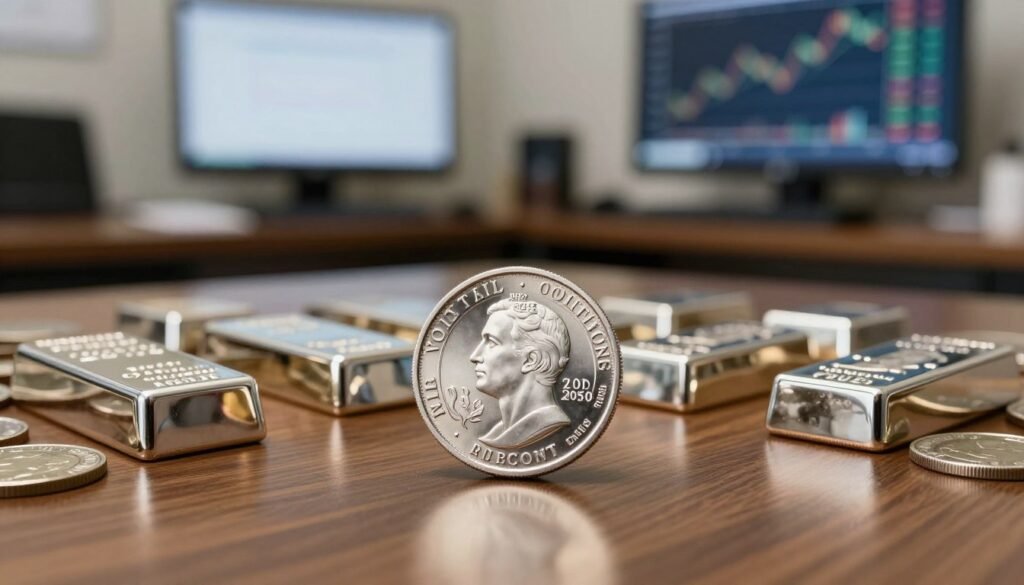
Before diving into the world of physical silver within a retirement portfolio, it’s wise to pause and assess your individual strategy. This part of our guide helps you lay the groundwork for a sound decision.
Clarifying your objectives is the first step. Are you seeking wealth preservation, a hedge against inflation, or exposure to industrial demand? Your goals will shape your approach.
Understanding your risk tolerance and deciding on an allocation percentage is also crucial. Many successful investors dedicate a portion of their portfolio, typically between 5-20%, to precious metals.
Key Considerations Before Investing
Your budget will influence your starting point. Options range from smaller purchases to larger allocations focusing on bars for lower premiums.
It’s important to view these investments as long-term vehicles for wealth preservation. Patient investors typically see the greatest benefits from their precious metals holdings.
Understanding IRA Eligibility for Silver
Good news! If you qualify for a traditional IRA, you likely meet the basic criteria for a precious metals IRA. The same fundamental rules apply across these retirement accounts.
For 2025, contribution limits are $7,000 for those under 50 and $8,000 for anyone 50 or older. Income levels can affect eligibility for Roth versions of these accounts.
Funding your new account can be done through direct contributions or by moving funds from existing retirement accounts. A rollover from a 401(k) or similar plan is a common strategy.
When executing a rollover, working with a tax professional is key. They ensure proper procedures are followed to avoid penalties and maintain compliance with IRS regulations.
Understanding Precious Metals: Silver Compared to Gold
While gold often steals the spotlight in precious metals discussions, silver’s remarkable 2025 performance demands equal attention from savvy investors. These two metals play different but complementary roles in a well-rounded portfolio.
Historical Context and Market Trends
Silver has emerged as 2025’s standout performer, reaching $36+ per ounce—levels not seen since 2013. This represents a significant rally that’s outpacing gold’s growth by approximately 3:1.
The current gold-to-silver ratio stands at 92:1, far above the historical average of 60:1. This disparity suggests silver may be significantly undervalued relative to its yellow counterpart.
Unlike gold’s primarily monetary role, silver serves critical industrial functions. Its unmatched electrical conductivity makes it irreplaceable in modern technologies like solar panels and electric vehicles.
Supply and demand dynamics strongly favor silver. We’re seeing the fifth consecutive year of supply deficits, with industrial demand reaching record levels. Solar panel manufacturing alone consumes 232 million ounces annually.
This combination of industrial necessity and investment appeal creates what many call “poor man’s gold”—offering precious metals exposure at a more accessible price point while providing similar diversification benefits.
Navigating the Silver Market: Physical vs. Paper Investments
Understanding your investment options is crucial when building a silver portfolio. The market offers two main approaches: physical possession and paper-based instruments.
Each method serves different investor needs and risk profiles. Physical assets provide tangible security, while paper alternatives offer trading flexibility.
Diverse Investment Vehicles Explained
Physical silver represents the purest form of exposure to this precious metal. Owning coins, bars, or rounds eliminates counterparty risk entirely.
You maintain complete control over your tangible wealth. This approach does require secure storage and involves dealer premiums.
Exchange-traded funds like iShares Silver Trust (SLV) provide convenient paper alternatives. These instruments offer instant liquidity without storage concerns.
SLV trades over 20 million shares daily. Sprott Physical Silver Trust (PSLV) offers potential tax advantages for certain investors.
Mining stocks like First Majestic and Pan American Silver provide leveraged exposure. A 10% price increase in silver can translate to 20-30% gains in quality miners.
Futures contracts control 5,000 ounces each. These professional instruments require substantial capital and expertise.
| Investment Type | Minimum Investment | Liquidity | Storage Needs | Best For |
|---|---|---|---|---|
| Physical Bullion | $100+ | Moderate | Required | Long-term security |
| Silver ETFs | Share price | High | None | Trading flexibility |
| Mining Stocks | Share price | High | None | Leveraged growth |
| Futures Contracts | $10,000+ | High | None | Professional traders |
Many experienced investors combine different approaches. They might hold physical metal for security while using ETFs for trading positions.
This balanced strategy captures both the safety of tangible assets and the flexibility of paper instruments. Your choice depends on individual goals and risk tolerance.
Selecting the Right Silver Products for Your IRA
Making the right choices for your retirement account’s physical assets requires understanding IRS-approved options. The government sets specific standards for purity and product types that qualify for inclusion.
Government-Minted Coins and Their Advantages
American Silver Eagles lead the pack with exceptional liquidity and recognition. These coins carry a slight premium but offer unmatched global acceptance and straightforward eligibility.
Canadian Maple Leafs provide superior purity at 99.99% with advanced security features. Their beautiful finish and competitive pricing make them popular alternatives.
Silver Bars, Rounds, and Other Options
Ten-ounce bars represent the sweet spot for serious investors seeking efficiency. They offer the lowest premiums while maintaining easy verification and storage.
Generic rounds from reputable mints provide budget-friendly options with the same purity as government coins. Their variety and affordability appeal to many portfolio builders.
| Product Type | Purity | Premium Range | Best Feature |
|---|---|---|---|
| American Eagle | 99.9% | $4-8 | Global recognition |
| Canadian Maple | 99.99% | $3-5 | Advanced security |
| 10 oz Bars | 99.9% | $0.99-2.00 | Cost efficiency |
| Generic Rounds | 99.9% | $2-3 | Lowest cost |
Remember that pre-1965 junk silver and collectible items don’t meet IRS standards. A balanced approach using different products can optimize both value and flexibility.
Get Your Free Precious Metals Information Kit

How to Safely Buy and Store Silver
Securing your precious metals investment begins with selecting trustworthy partners and proper storage arrangements. Your dealer choice directly impacts pricing, product authenticity, and transaction security.
Tips for Choosing Reputable Dealers
Look for dealers with transparent pricing showing spot plus premium breakdowns. Trustworthy sellers publish buy-back prices at 95% or more of spot value.
Green flags include physical addresses, phone support, and secure websites. Avoid dealers using high-pressure tactics or pushing collectible coins with huge premiums.
Exploring Secure Storage Solutions
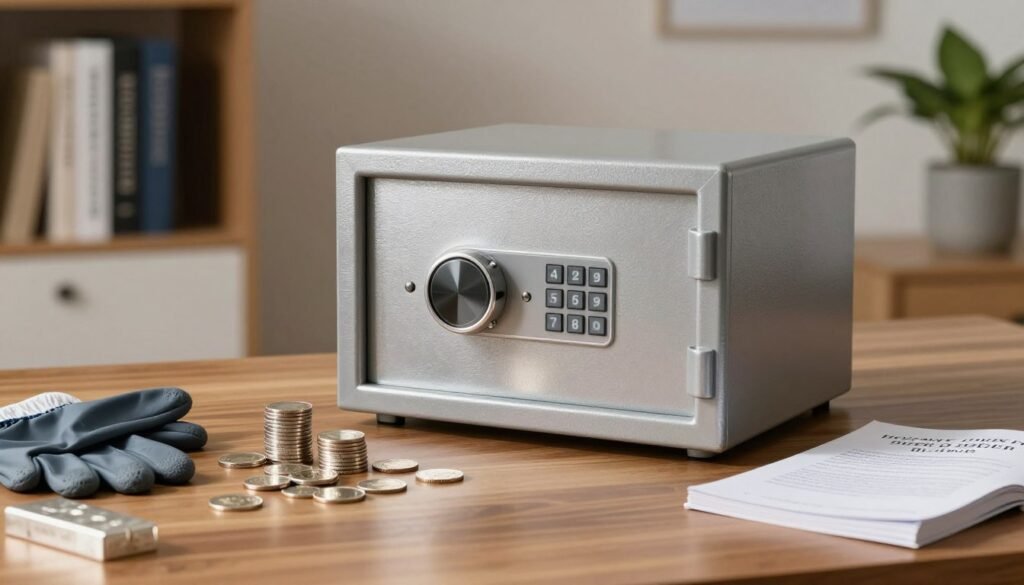
The IRS requires precious metals in retirement accounts to stay in approved depositories. This protects your tax advantages and ensures proper custody.
Compare segregated storage (higher cost, individual security) versus non-segregated options (lower fees, shared space). For non-retirement holdings, home storage offers 24/7 access but carries theft risks and insurance limitations.
Bank safe deposit boxes provide professional security at reasonable annual costs. Private vaults offer maximum protection with full insurance coverage.
Always keep detailed inventory records separate from your holdings. Consider diversifying storage across multiple locations for added security.
Tax and Regulatory Considerations for Silver IRA Investments
Navigating the tax landscape is essential when incorporating precious metals into your retirement strategy. Understanding IRS regulations ensures your investments remain compliant and tax-advantaged.
IRS Rules and Approved Silver Products
The IRS sets strict purity standards for precious metals in retirement accounts. Silver must be at least 99.9% pure to qualify. American Silver Eagles are popular exceptions with specific approval.
Approved products include government-minted coins and bars from certified refiners. Your custodian handles compliance and recordkeeping to maintain tax benefits.
Understanding Transfer, Rollover, and Distribution Costs
Custodians typically charge setup fees, annual maintenance ($100-300), and storage costs. Direct transfers between institutions avoid tax consequences.
Rollovers from 401(k) accounts require careful execution. The 60-day rule applies if you handle funds directly. Required Minimum Distributions begin at age 73.
You can receive distributions “in kind” as physical metals. Traditional IRA withdrawals are taxed as ordinary income. Roth versions offer tax-free qualified distributions.
Working with tax professionals helps avoid penalties and maximize efficiency. They ensure proper procedures for transfers and compliance with all IRS rules.
Diversifying Your Investment Portfolio with Precious Metals
A truly balanced approach to wealth preservation considers multiple economic scenarios. Adding physical metals to your mix creates resilience against market volatility.

Best Precious Metals Companies of 2026
A quick side-by-side snapshot of minimums, fees, and what makes each provider stand out—so you can choose faster and request a free kit.
Birch Gold Group
Augusta Precious Metals
Noble Gold Investments
GoldenCrest Metals
Lear Capital
Experienced investors typically allocate 5-20% of their holdings to precious metals. Within this allocation, silver often represents 60-70% due to its stronger growth potential.
Integrating Silver with Other Asset Classes
The fundamental principle of diversification protects your wealth from single-market risks. When stocks decline, silver often moves independently, providing stability.
Silver’s industrial demand creates unique value retention characteristics. Its essential role in electronics and green technology supports prices even during recessions.
Combining silver with gold creates complementary benefits. Gold offers steady preservation while silver provides higher volatility and growth opportunities.
A strategic approach includes Silver IRAs alongside traditional holdings. This creates multiple layers of protection for your retirement savings.
Regular rebalancing maintains optimal allocations over time. Increase silver positions during undervaluation and trim after significant appreciation.
Diversification through precious metals strengthens your overall investment strategy. It acknowledges different economic conditions without abandoning traditional assets.
Expert Tips and Strategies from Trusted Sources
Understanding the fundamental drivers behind price movements separates successful investors from the crowd. Professional analysts emphasize data-driven approaches to navigate today’s dynamic precious metals landscape.
Analyzing Market Data and Price Trends
Current conditions present what many experts call a “perfect storm” for this white metal. The price reached 13-year highs above $36 per ounce in 2025.
Several key factors drive this impressive performance. Industrial demand from solar panels now consumes 232 million ounces annually. This represents a doubling since 2015.
The supply situation remains critical. We’re experiencing the fifth consecutive year of deficits. The annual shortfall stands at 149 million ounces.
“The structural supply-demand imbalance creates a compelling case for long-term appreciation. Green energy adoption continues to accelerate consumption.”
Major financial institutions project targets of $40-50 by late 2025. The gold-to-silver ratio analysis suggests significant potential. At 92:1, it far exceeds the historical 60:1 average.
Experts recommend monitoring several key metrics before making decisions. Always check the live spot price and premium levels. Technical support and resistance levels provide additional context.
| Metric | Current Value | Expert Range | Significance |
|---|---|---|---|
| Spot Price | $36+ | Base reference | Foundation for valuation |
| Premium Level | 8-15% | Normal range | Dealer markup indicator |
| Gold Ratio | 92:1 | Above 80=undervalued | Relative value measure |
| Dollar Index | Inverse correlation | Monitor strength | Macro relationship |
Smart timing strategies include dollar-cost averaging and buying during price dips. Avoid panic purchasing when premiums spike during supply squeezes.
Follow reputable research companies and industry publications for reliable insights. Balance physical holdings with paper investments for optimal strategy alignment.
Get Your Free Precious Metals Information Kit
Conclusion
Building a resilient retirement strategy requires looking beyond traditional options. This guide has shown how adding physical assets can strengthen your financial future.
We’ve covered the essential steps for incorporating precious metals into retirement accounts. From selecting IRS-approved products to choosing reputable custodians, each decision matters.
With current market conditions favoring silver, understanding these processes is more valuable than ever. The metal’s dual role as both investment and industrial commodity creates unique opportunities.
Successful implementation requires ongoing attention to market trends and IRS regulations. Regular monitoring and professional guidance help maintain compliance and optimize results.
Remember that starting with appropriate allocation levels matching your risk tolerance is key. This approach makes silver ira investing accessible to investors at all experience levels.
Taking these steps can provide the tangible asset protection and diversification many seek in today’s economic environment. Your retirement security deserves this thoughtful approach.